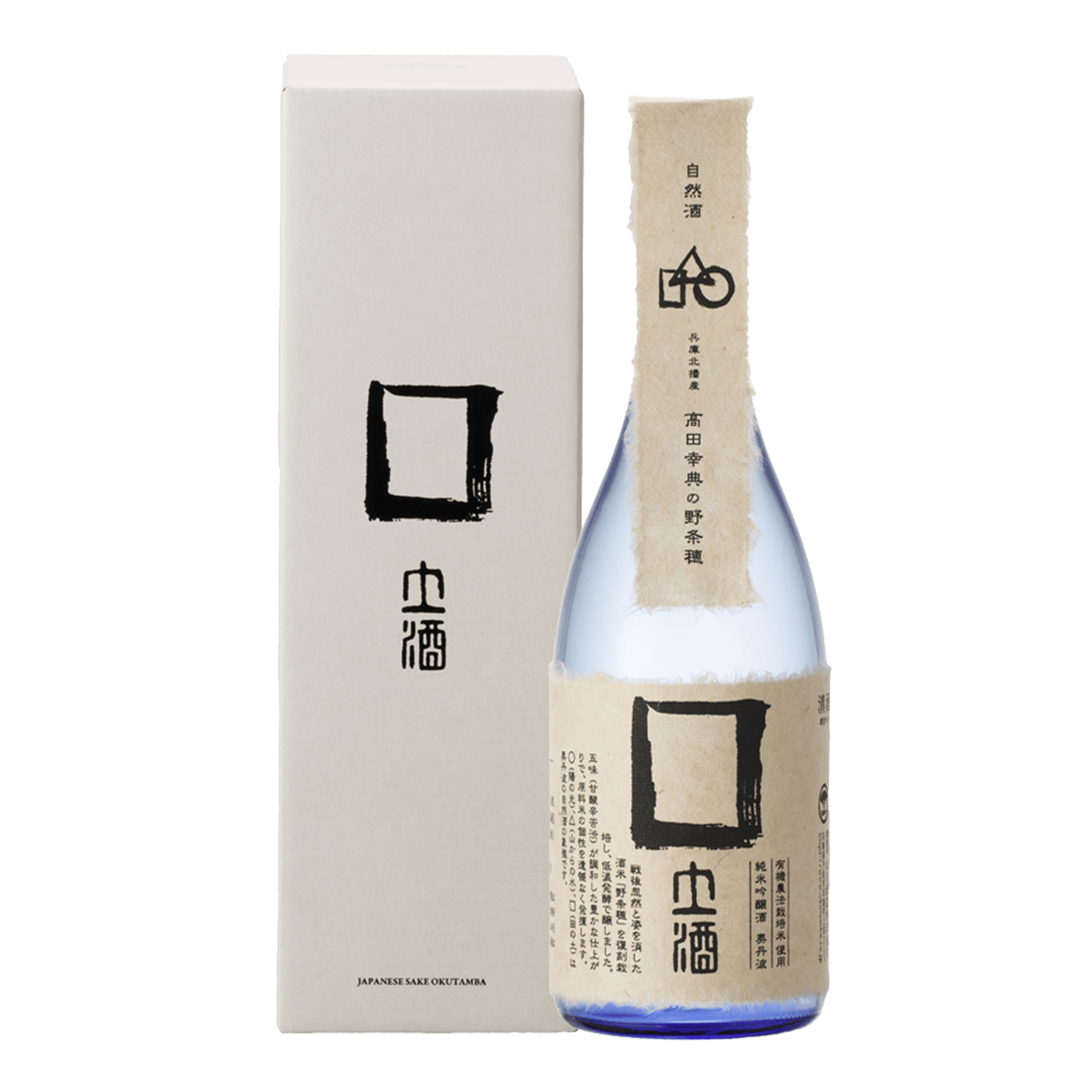
Natural Sake Soil
自然酒 □土酒
山名酒造株式会社
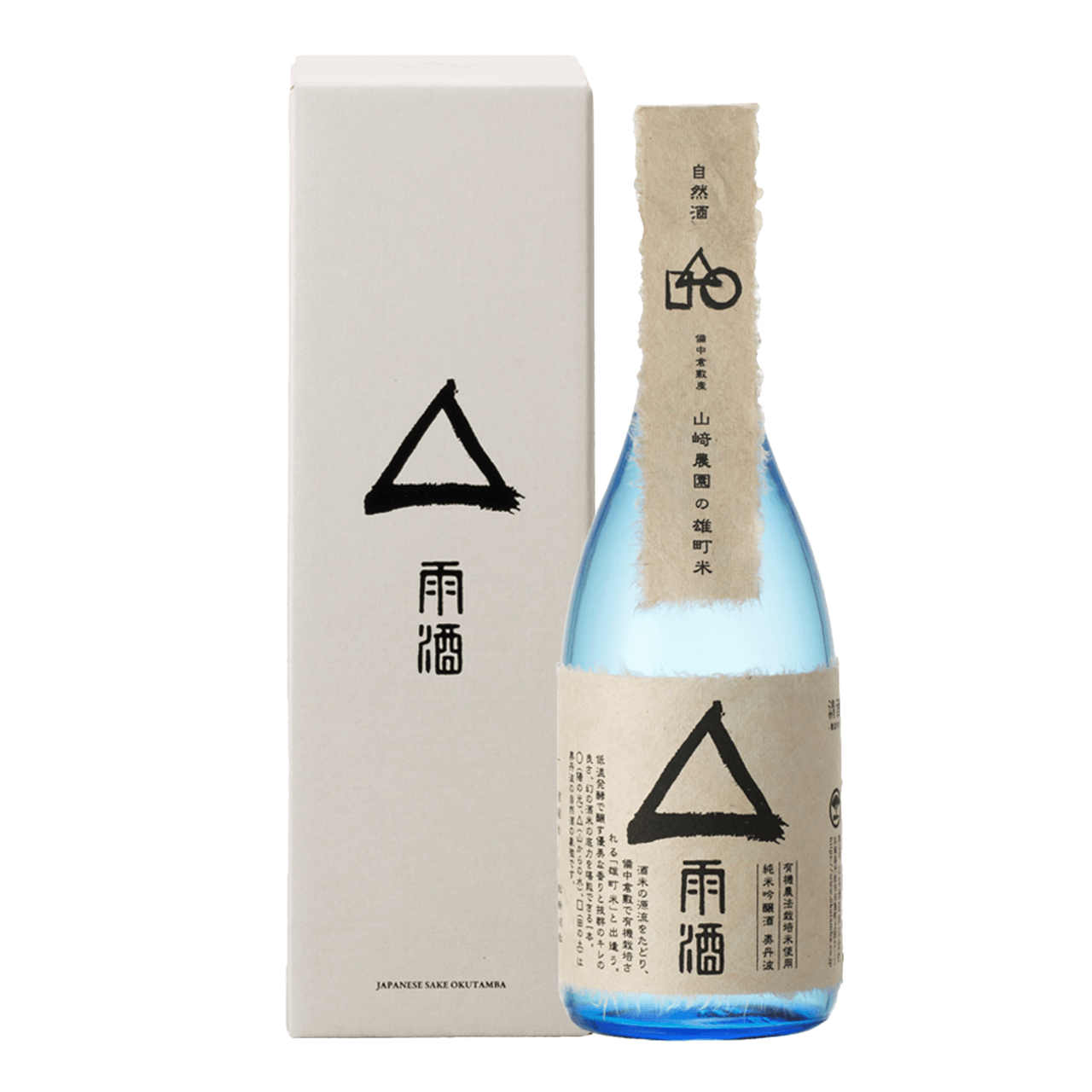
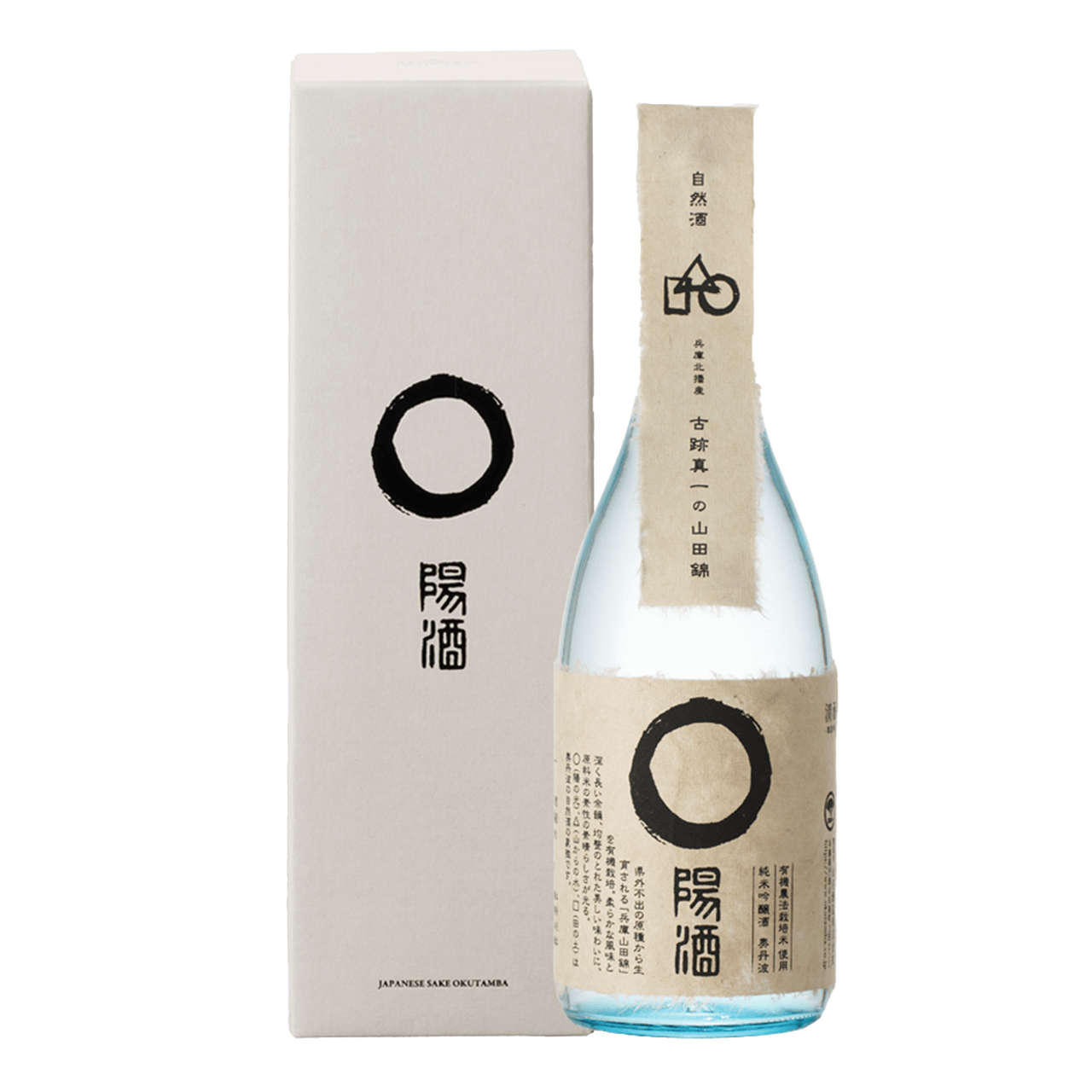
Our BIO SAKE line is full of the blessings of nature. In cooperation with motivated farmers, organic farming methods Three types of rice suitable for sake brewing were brewed individually. 〇 (Yamada Nishiki) is neat, △ (Omachi rice) is elegant, □ (Nojoho) is pale, and it is an organic Japan sake that makes the most of the individuality of each raw rice.
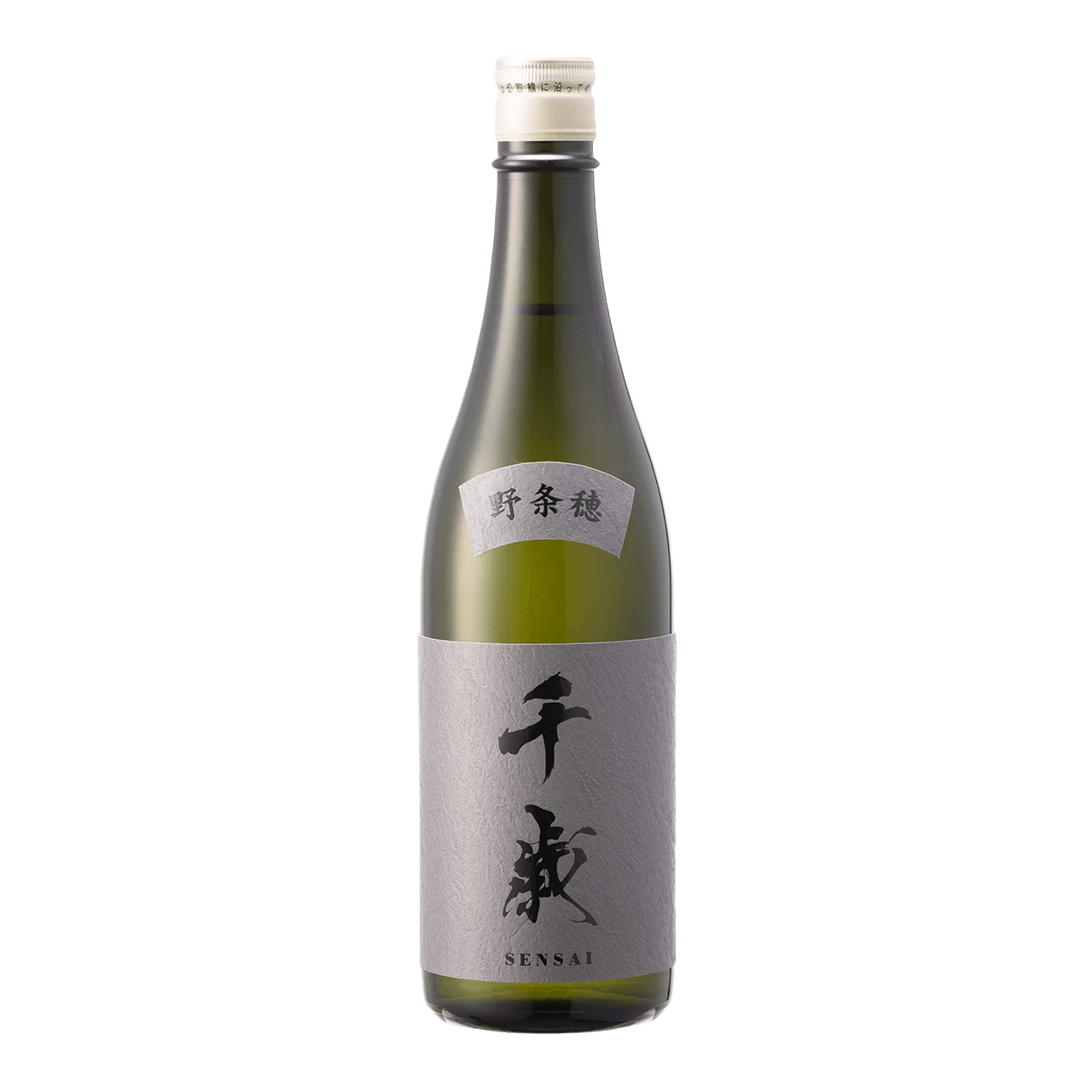
Our BIO SAKE line is full of the blessings of nature. The sake rice "Nojoho", which suddenly disappeared after the war, is reproduced organically and brewed by low-temperature fermentation.
自然の恩恵をいっぱいに受けた当蔵のBIO SAKEライン。意欲ある農家と協力し、有機農法栽培 で育てた三種類の酒造好適米を個別に醸しました。〇(山田錦)は端正、△(雄町米)は優美、□ (野条穂)は淡麗、それぞれの原料米の個性を最大限に生かしたオーガニック日本酒。
自然の恩恵をいっぱいに受けた当蔵のBIO SAKEライン。戦後忽然と姿を消した酒米「野条穂」を復刻有機栽培し、低温発酵で醸しました。
Sake Portfolio
Subtle Aroma
穏やか(控えめ)Aromatic & Fruity
華やか(フルーティー)Dry
辛口(ドライ)Balanced
中間(バランス型)
Sweet
辛口(ドライ)Product Description
- Volume(mℓ)
- 720
- Case(bottles)
- 12
- Alcohol content(%)
- 15
- Category
- SAKE
- Typical features
- Junmai
- Origin
- Japan
- Polishing Ratio(%)
- 60
- Rice
-
NOJOHO
野条穂
- Retail Price(JPY)
- 2200
Tasting and Pairing
It has a rich finish that harmonizes the five flavors (sweet, sour, spicy, bitter, and astringent), and fully demonstrates the individuality of the reproduced raw rice.
五味(甘酸辛苦渋)が調和した豊かな仕上がりで、復刻原料米の個性を遺憾なく発揮します。
- Food Pairing
-
Stewed meat (Japanese style)
牛肉の煮込料理(和風)
- Best served at
-
Room temperature , 5‒10°C
- Best served in
-
Room temperature , Chilled / Serve chilled
常温、冷酒
THE BREWERY


Yamana Sake Brewery co., ltd.
山名酒造株式会社
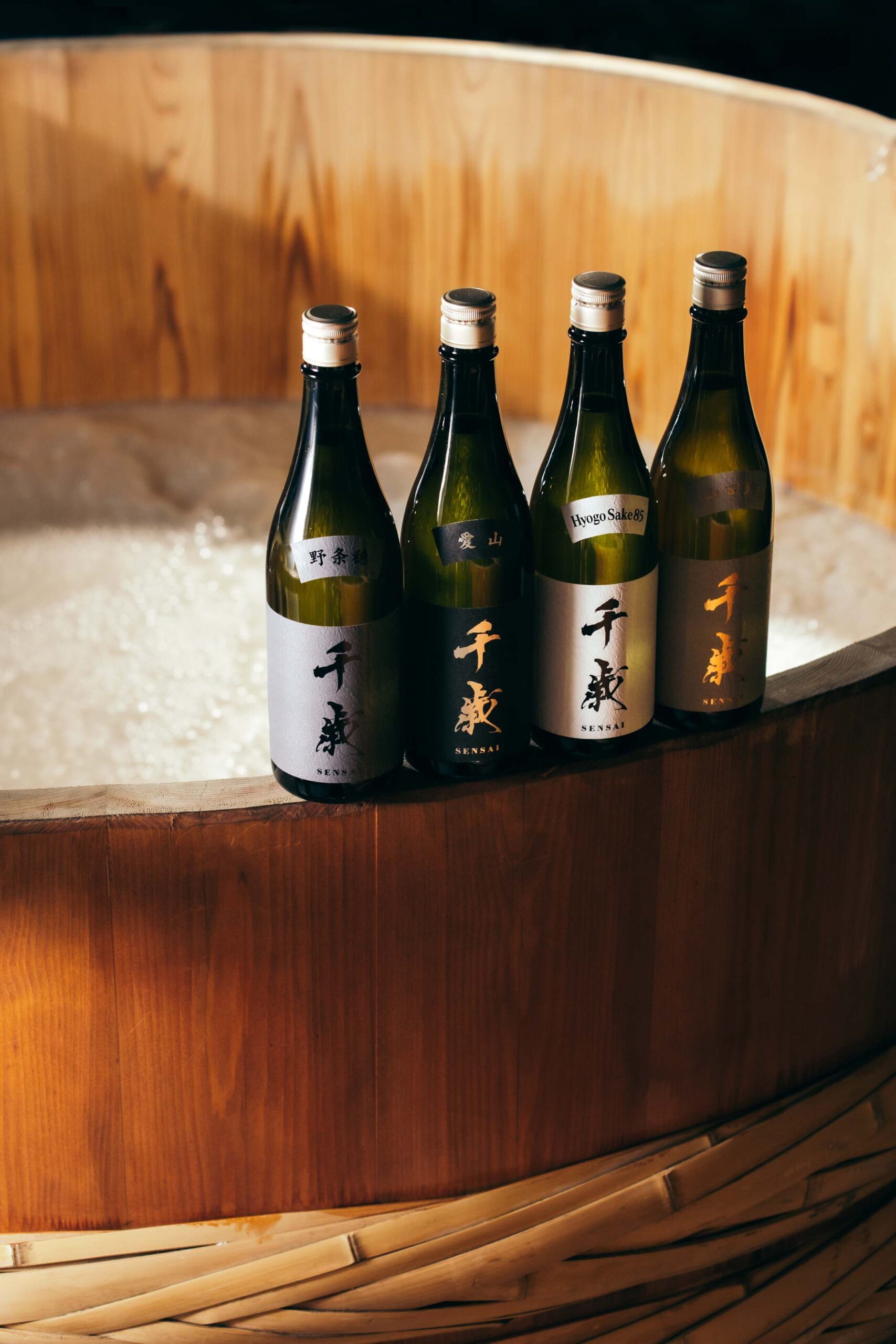
https://okutamba.co.jp/Yamana’s predecessors were samurai retainers of Minamoto no Yoritomo, Japan’s ruler of the Kamakura period (1185-1333). We represent the bloodline of Yamana Sozen, a general in the Onin no Ran, a storied war of the Muromachi period (1336-1573). Later, the clan ed their territory to escape conflict and took up near Kozenji temple. In 1716, they moved to Kamida, Ichijima City, where Yamana Sake Brewery is now located. e word “Kami” in Kamida means “top” in Japanese, but was originally written as the similar-sounding, “God.” Thanks to the God of agriculture, we have been brewing sake for generations in an environment blessed with ideal rice cultivation conditions. We have continued to brew sake under di erent names: “Sensai,” until the Edo period, “Banzai,” since the Meiji period, and, “Okutamba” from the Heisei period in 1989
当家はもともと源氏の総大将、頼朝に付き従った関東武士で、室町時代に応仁の乱で京の都を騒がせた山名宗全の血筋。その後、一族内の争いを逃れて領地を離れ、春日町の興禅寺付近で船川姓に変えて潜んでいましたが、江戸享保元年( 1716年)に現在の市島町上田の地に移り、元の山名姓に戻したのが遠祖の始まりと伝わります。カミダ(上田)は神田の呼称が転じたともいわれ、このように稲作に恵まれた環境のもと代々酒造りを生業にしております。江戸時代までは「千歳」、明治維新の際に「萬歳」、平成に入って「奥丹波」と酒銘を変えて仕込み続けて参りました。
- Generation
- 1716
- Location
- Tamba,Hyogo