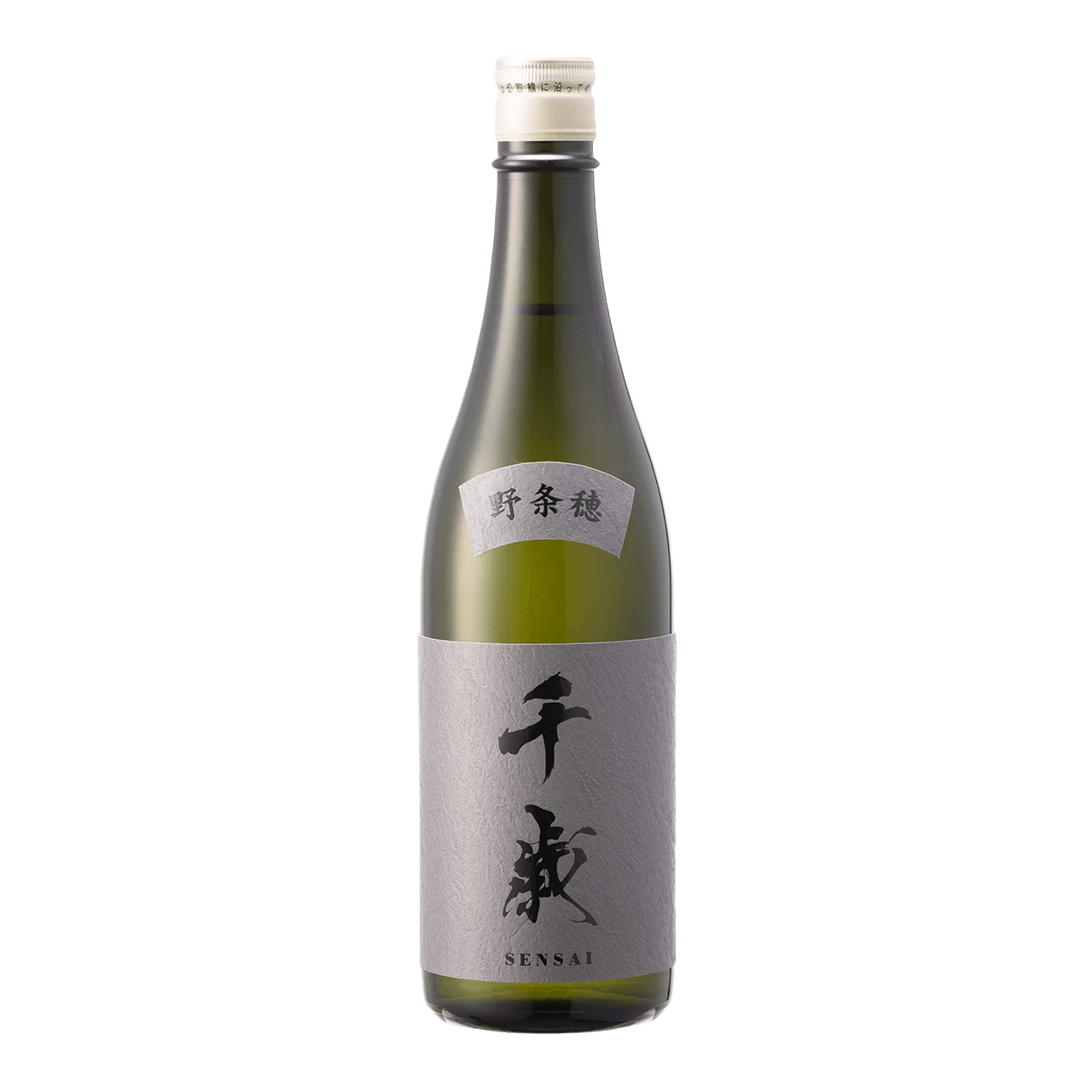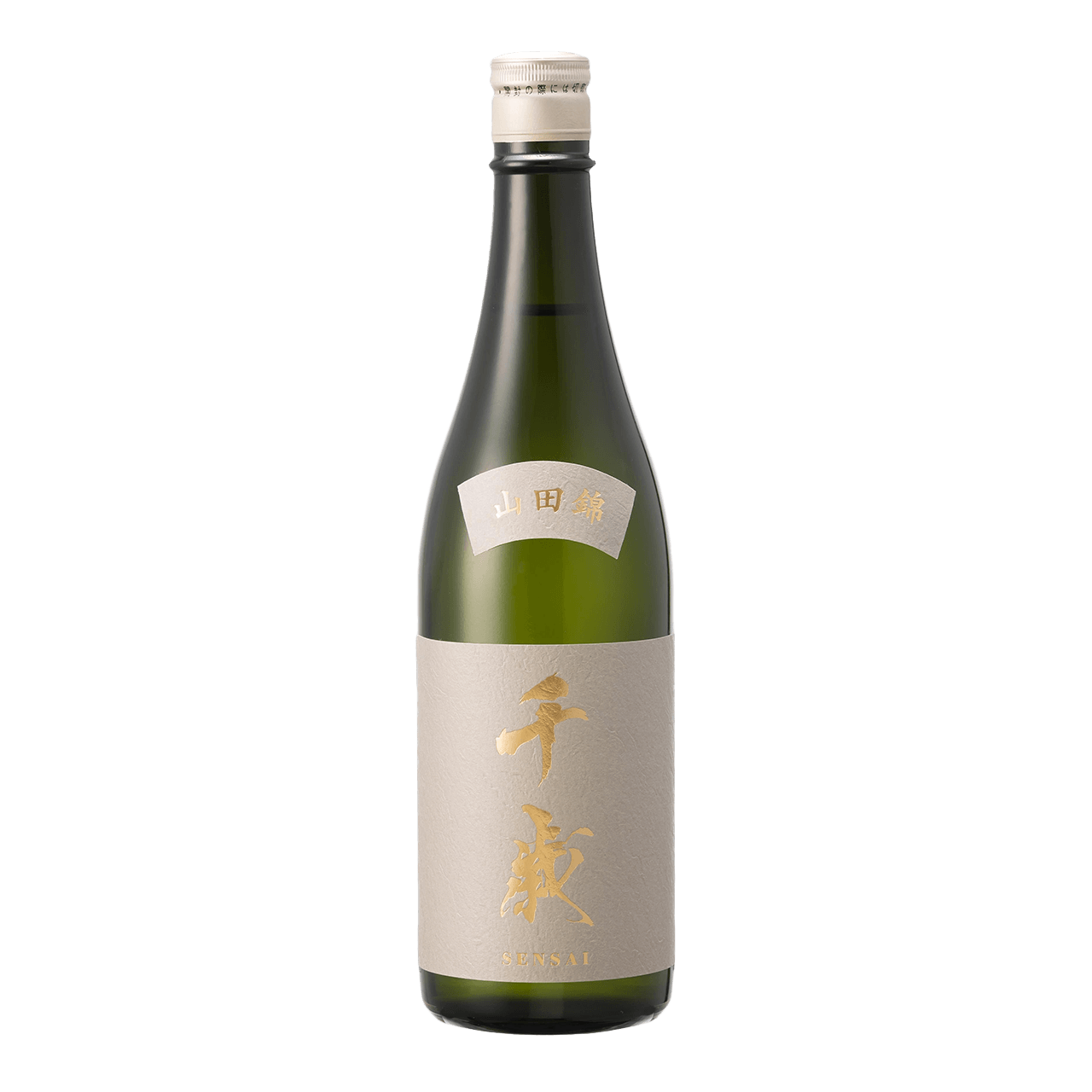
Sensai Yamadanishiki
千歳 山田錦
山名酒造株式会社
With the concept of “Re = again + Naissance =birth,” we’ve brewed this sake with Edo era brewing in mind. is isa natural sake made with rice grown without the use of pesticides or chemical fertilizers. Polished to the same high ratios of the past, it’s brewed without added yeast. is isa new type of Sensai, born from the brewery’s own microbial environment that has remained active from founding to present.
JunmaiDaiginjo brewed in Kioke, using the king of sake rice "Yamada Nishiki".
Re=再び+Naissance=誕生をコンセプトに、 江戸時代の酒造りに想いを馳せて醸しました。 兵庫県にルーツを持つ米を往時さながらに低精米し、酵母無添加で醸した自然酒。創業から現在にまで続く蔵内の微生物の生命活動の連鎖により産声を上げる、真新しい千歳です。
木桶で低温発酵した純米大吟醸です。酒米の王様と言われる山田錦を使用しました。
Sake Portfolio
Subtle Aroma
穏やか(控えめ)Aromatic & Fruity
華やか(フルーティー)Dry
辛口(ドライ)Balanced
中間(バランス型)
Sweet
辛口(ドライ)Product Description
- Volume(mℓ)
- 720
- Case(bottles)
- 12
- Alcohol content(%)
- 15
- Category
- SAKE
- Typical features
- Junmai Daiginjo
- Origin
- Japan
- Polishing Ratio(%)
- 50
- Rice
-
YAMADANISHIKI
山田錦
- Retail Price(JPY)
- 1800
Tasting and Pairing
The silky smooth mouthfeel, fresh sweetness reminiscent of white peaches, and light acidity spread on the tongue, and it develops into a sweet aftertaste.
絹のように滑らかな口当たり、白桃を思わせるみずみずしい甘み、軽やかな酸味が舌の上に広がり、甘い余韻へと発展します。
- Food Pairing
-
Fresh fish carpaccio, raw vegetable bagna cauda
鮮魚のカルパッチョ、生野菜のバーニャカウダ
- Best served at
-
Room temperature , 5‒10°C
- Best served in
-
Room temperature , Chilled / Serve chilled
常温、冷酒
THE BREWERY


Yamana Sake Brewery co., ltd.
山名酒造株式会社
https://okutamba.co.jp/Yamana’s predecessors were samurai retainers of Minamoto no Yoritomo, Japan’s ruler of the Kamakura period (1185-1333). We represent the bloodline of Yamana Sozen, a general in the Onin no Ran, a storied war of the Muromachi period (1336-1573). Later, the clan ed their territory to escape conflict and took up near Kozenji temple. In 1716, they moved to Kamida, Ichijima City, where Yamana Sake Brewery is now located. e word “Kami” in Kamida means “top” in Japanese, but was originally written as the similar-sounding, “God.” Thanks to the God of agriculture, we have been brewing sake for generations in an environment blessed with ideal rice cultivation conditions. We have continued to brew sake under di erent names: “Sensai,” until the Edo period, “Banzai,” since the Meiji period, and, “Okutamba” from the Heisei period in 1989
当家はもともと源氏の総大将、頼朝に付き従った関東武士で、室町時代に応仁の乱で京の都を騒がせた山名宗全の血筋。その後、一族内の争いを逃れて領地を離れ、春日町の興禅寺付近で船川姓に変えて潜んでいましたが、江戸享保元年( 1716年)に現在の市島町上田の地に移り、元の山名姓に戻したのが遠祖の始まりと伝わります。カミダ(上田)は神田の呼称が転じたともいわれ、このように稲作に恵まれた環境のもと代々酒造りを生業にしております。江戸時代までは「千歳」、明治維新の際に「萬歳」、平成に入って「奥丹波」と酒銘を変えて仕込み続けて参りました。
- Generation
- 1716
- Location
- Tamba,Hyogo